Blog
-

Museums of Sri Lanka
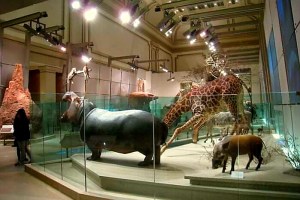
Sri Lanka Museum tour in the center of the commercial capital of Sri Lanka, Colombo.
Among all the key highlights, the visit to National Museum would be the most interesting and important visit of sure.
Hence, I wish to take few minutes to brief you about museums of Sri Lanka.
A museum is a place where the public could view the objects of cultural, artistic, scientific, or historical interest.
Sri Lanka has a rich and long history which goes back to 250,000 years with archeological evidences to support the dates.
Such rich history is interestingly & informatively depicted through various items of historical interest, found and displayed in several museums scattered all over the country.
There are many types of museums of Sri Lanka:
▪ National museums
▪ Archeological museums
▪ Site museums
▪ Museums of military & other institutions
▪ Museums of industries
▪ Folk museums
▪ Museums of key personnel (for example, museum of National Heroes) ▪ Private museumsThere are six main National Museums in Colombo, Kandy, Anuradhapura, Galle, Matara, and Rathnapura.
Among them Colombo National Museum is the oldest and most important one.
It is the largest museum in the country and established by British in 1877 in a beautiful colonial-structured building.
Artifacts of this museum are well arranged in section-wise representing each prominent era of the country, starting from prehistoric era to present day.
The museum contains a collection of much importance to Sri Lanka such as the regalia of the country, including the throne and crown of the Kandyan monarchs.
There are many exhibits telling the story of ancient Sri Lanka.
The museum is open to the public from 9:00am to 5:00Pm everyday except on Fridays.




-
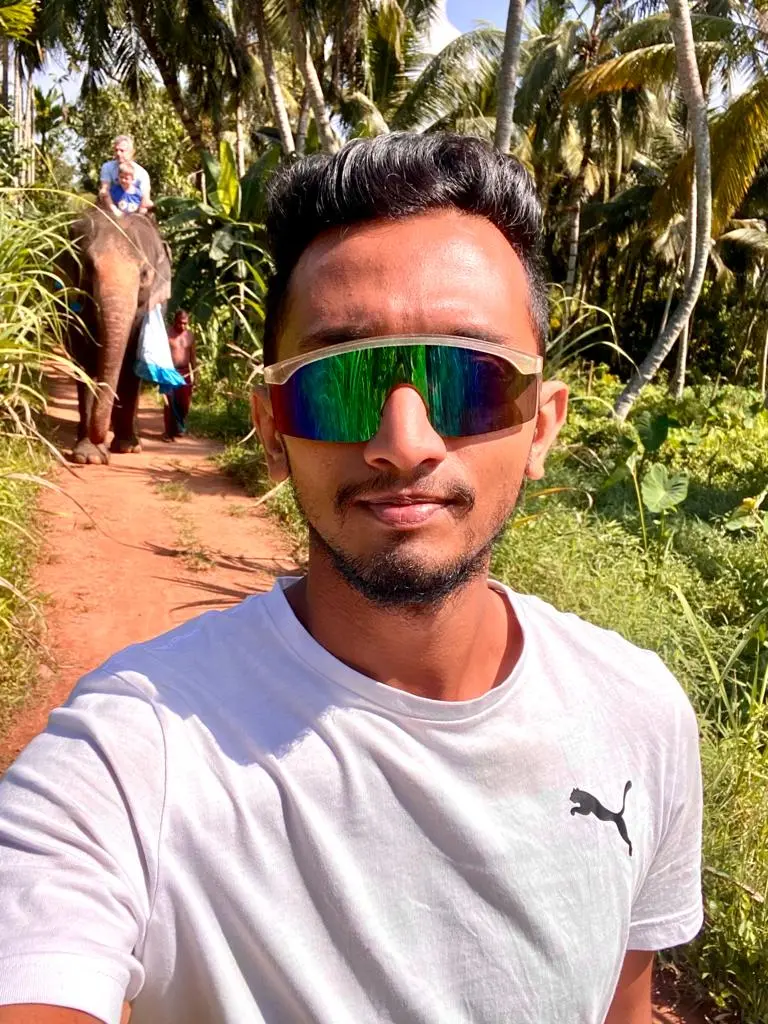
Thilina Weerasinghe – National Tour Guide Sri Lanka
Thilina is a national tour guide and based in Bentota in Sri Lanka,
Thilina is a very pleasant young man, a Qualified National Tour Guide, who has a lot of knowledge of Sri Lanka and the local areas as well as the whole island.

When he is not guiding tours of Sri Lanka, he is also a very keen surfer and the knows all the best surf spots on the island. The main surf points are “Down South” from Bentota to Matara where the surf works November to April. Thilina can also take you surfing on the East Coast where the season is May through to September.


Thilina speaks English and Chinese, as well as the national languages of Sinhala and Tamil.
Thilina is well educated and tech savvy, so call or message him via
Whatsapp on +94 77 231 3407


-
What to do about Insect bites and how to avoid them
Insect and tick bite avoidance

- Overview
- Insect bites and stings
- Insect vectors and diseases they transmit
- Risk for travellers
- Before travel
- During travel
- After travel
- Resources
Key messages
-
Insect bites are relatively common in travellers, usually causing only minor irritation, but occasionally may cause more significant problems such as allergic reactions, secondary skin infections or transmission of infectious disease such as malaria, yellow fever, and Zika.
-
For many vector-borne diseases, avoiding insect bites is the only means of prevention. Where vaccines or malaria tablets are recommended, travellers should seek a pre travel appointment with their health care provider.
-
Travellers should pack appropriate equipment for their destination; this may include protective clothing, insect repellents, mosquito nets, fine tipped tweezers and a first aid kit.
-
Many factors will affect the longevity of a repellent before reapplication is required. It is important to choose an effective active ingredient and reapply as soon as mosquitoes begin to take an interest (see below).
-
Travellers with a high fever of 38°C or more or other worrying symptoms should seek prompt medical advice. Malaria symptoms may occur up to a year after travel.
Overview
Insect and tick bites are relatively common in travellers, usually causing only minor irritation. However, bites can result in local skin trauma, allergic reactions (ranging from small local reactions to life-threatening systemic reactions), secondary skin infections or transmission of infectious disease (vector-borne diseases)
Vector-borne diseases account for more than 17 percent of all infectious diseases. Every year diseases such as malaria, dengue, yellow fever, and Japanese encephalitis cause more than 700,000 deaths globally.
The highest burden of disease occurs in tropical and subtropical areas where the poorest populations are disproportionately affected.
Vaccines or medications are available to help prevent a number of these diseases, but for many, bite avoidance is the only way to prevent infection.
Insect bites and stings
Arthropods include insects such as mosquitoes, gnats and flies and arachnids, such as spiders, mites and ticks [3]. The term ‘insect’ will be used here to include both insects and arachnids.
Insect bites or stings generally occur as a result of insect feeding (e.g. mosquitoes, bed bugs) or defence (e.g. bee and wasp stings or spider bites) and can range from being immediately painful to completely unfelt.
When an insect bites, substances such as anticoagulants (to prevent blood clotting) and vasodilators (to open blood vessels) are injected to ensure a flow of blood. These substances can lead to local skin or systemic reactions.
Bees, wasps and hornets are stinging insects and inject venom into the skin. Stings are usually painful immediately and the venom may cause reactions ranging from mild localised pain to severe systemic reactions including anaphylaxis (serious allergic reaction). In the UK, insect stings are the second most common cause of anaphylaxis outside of medical settings.
Insect vectors and diseases they transmit
Mosquitoes
The female mosquito requires a blood meal to reproduce. There are many species of mosquitoes, some bite during daylight hours (e.g. Aedes spp) and others are more active from dusk to dawn (e.g. Anopheles spp). The biting times of some mosquitoes can vary within the same species (e.g. Anopheles mosquitoes which transmit malaria).
Mosquitoes are attracted by several factors, including the presence of carbon dioxide (from skin and breath), heat (from skin), odours (including fragrances from perfumes and soaps), lactic acid and movement; some individuals may also be more attractive to mosquitoes than others.
Ticks
Ticks typically live on the ground in long grassy areas and usually feed on small mammals. They become attached to humans after brushing against grass, after which they crawl on skin or clothing until they find a suitable place to attach and feed, often at a skin fold in the groin, under the arm, at the scalp line or at the edge of underclothes. The bite is generally painless [8]. As prompt removal of ticks may prevent transmission of some infectious diseases, it is important to check for ticks on the body after outdoor activities.
Bed bugs
There has been a resurgence of bed bug infestations in recent years; there is no evidence that they transmit disease-causing pathogens. There are few published studies investigating the role of insect repellents in protecting against bed bug bites.
Travellers should be encouraged to inspect their sleeping accommodation for bed bugs on mattresses and bedding, which might present as blood spotting on linens; keep suitcases or rucksacks off the floor when not in use and inspect clothing before replacing them in luggage.
Risk for travellers
The risk of insect bites, and possible vector-borne disease, to the traveller will depend on exposure to insects. This will be determined by destination, season and rainfall patterns, as well as activities undertaken, length of stay and measures taken to avoid insect bites.
Vaccines and tablets are available to help protect against some of the diseases, but may not be suitable for all travellers, placing them at higher risk of disease. Avoiding bites from insects and ticks may be the only way to reduce the risk of disease.
Before travel
Travellers should research their destination to determine possible risks for vector-borne diseases (see the Country Information pages). Vaccinations and/or malaria tablets may be recommended, in which case a pre-travel appointment should be booked with a health care provider ideally four to six weeks before departure. Although last-minute advice is still useful if time is short.
Travellers should consider if they need to pack protective clothing, insect repellents, insecticide treated bed/cot nets, plug-in insecticides and a first aid kit with items to manage insect bites, for example fine-tipped tweezers to remove ticks, painkillers and antihistamine to reduce itching.
During travel
Travellers should be advised to protect themselves against insect and tick bites possibly both day and night depending on the vector and risk of disease at destination. A combination of the measures listed below is considered the most effective way to prevent bites.
Key points to reduce insect and tick bites:
- Avoid areas of stagnant or standing water, where mosquitoes are likely to breed.
- Keep to footpaths and avoid long grass when walking to avoid tick bites.
- Check body for ticks after outdoor activity and remove them promptly (see below).
- Wear loose-fitting clothing, with long sleeves, long trousers, tucked into socks.
- Light coloured clothing will help see ticks and other insects, avoid dark blue clothing where tsetse fly is present . There is no evidence that the colour of clothing is relevant to mosquitoes.
- Clothing can be sprayed or impregnated with insecticide (e.g. permethrin) or purchased pre-treated to reduce biting through clothing. These treatments can provide a high level of bite prevention. Alternatively DEET based repellents can be applied to natural fibres such as cotton, but may damage synthetic fabrics including items like plastic watch jewellery.
- Use insect repellents on exposed skin (even if clothing has been treated): DEET based repellents are considered the most effective currently available. If DEET is not tolerated (or is not available), an alternative preparation should be used (see below).
- In areas with vector-borne diseases, use air conditioning where available or sleep in screened accommodation, under a mosquito net impregnated with insecticide.
- Insecticide vaporisers can be used to inhibit mosquito bites and mosquito coils can be used outdoors (they are not recommended indoors).
- For those staying long-term in areas with vector-borne diseases it is possible to reduce mosquito breeding sites around the home by removing any pools of water in ditches, plant pots, gutters, drains and rubbish collected in the area.
Insect repellents
DEET
DEET (N, N–diethyl-m-toluamide) has been used as an insect repellent for more than 50 years. A number of studies have concluded that the risks of adverse effects from DEET are low for all groups, including infants and children as well as pregnant and breastfeeding women, when applied according to the product instructions.
Repellent containing DEET, at 50 percent concentration, is recommended for all travellers over 2 months provided it can be tolerated [6]. There is no further increase in duration of protection beyond a concentration of 50 percent.
The interval between re-application of repellent will depend on the DEET formulation and concentration used. In practice, travellers apply around half of the amount at which a product has been tested, therefore more frequent application will be required. Repellents may also need to be reapplied more regularly, for example after swimming and in hot, humid conditions when they may be removed by perspiration. As a guide, travellers should reapply repellents when the mosquitoes begin to ‘take an interest’, to ensure that they do not bite.
DEET and sunscreen
Several studies have shown that DEET decreases the protection of SPF 15 sunscreen, although there is no evidence that sunscreen reduces the efficacy of DEET when used at concentrations above 33 percent [6]. When both are required, DEET should be applied after the sunscreen, and 30 to 50 SPF sunscreen should be used to compensate for the reduction in SPF induced by DEET.
Alternatives to DEET
If DEET is not tolerated (or unavailable), and travellers are visiting areas where malaria or other vector-borne diseases are present, a repellent containing one of the following three active ingredients repellents should be used as an alternative, at the highest strength available.
Icaridin (Picaridin)
Icaridin has repellent properties similar to DEET with a comparable duration of protection when both are used at 20 percent. If used for mosquito bite prevention against malaria, at least a 20 percent preparation is advised [6].
Eucalyptus citriodora oil, hydrated, cyclized.
This active ingredient provides effective protection for several hours and was previously known as p-menthane 3,8 diol or PMD. However, the duration of protection is shorter than DEET so more frequent application is required. Care should be taken when applying as accidental application to the eyes can result in damage.
3-ethlyaminopropionate (IR3535)
3-ethlyaminopropionate (IR3535) has a shorter duration of protection against Anopheles mosquitoes than DEET, and so more frequent application is required, but it is still an effective repellent. Care should be taken when applying as accidental application to the eyes can result in damage.
Use of insect repellents in pregnancy and breastfeeding
Avoidance of mosquito bites is extremely important in pregnancy as pregnant women are particularly attractive to mosquitoes.
The use of 20 percent DEET during the second and third trimesters of pregnancy was not associated with adverse effects on the infants in pregnancies followed for up to 12 months after birth . Because malaria is a serious disease in pregnancy, DEET based repellents in concentrations up to 50 percent are recommended for all pregnant women, at any stage of pregnancy, travelling to areas where malaria or other insect-borne diseases are a risk.
Icaridin and eucalyptus citriodora oil are alternatives to DEET. However, there is no data concerning exposure in human pregnancy, although animal studies have not demonstrated any features of maternal or developmental toxicity.
DEET may also be used in concentrations up to 50 percent in breastfeeding. Nursing mothers should wash repellents off their hands and breast skin before handling infants.
Use of insect repellents in infants
Recommendations on the use of DEET in young children vary between countries. According to UK Health Security Advisory Committee on Malaria Prevention (ACMP) DEET may be used at a concentration of up to 50 percent in infants and children aged over 2 months. If a particular DEET manufacturer’s product information recommends a higher age cut off for use in children, the ACMP guidance should be followed. DEET is not recommended for infants under 2 months of age. Instructions on application should be followed. Infants under 2 months should be protected with protective clothing and insecticide treated nets draped over cots and prams secured around the edges to avoid gaps.
Children should not be allowed to handle repellents as they may inadvertently ingest them or get them in their eyes. Adults should apply repellent to their own hands, then onto the child’s skin, and avoid applying to children’s hands .
How to use insect repellents safely :
- Use on exposed skin only, not under clothing.
- Do not use over cuts, irritated or inflamed skin.
- Do not apply directly to the face – apply repellent to hands, then to the face to avoid contact with lips and eyes. Wash hands after application.
- Do not apply to children’s hands.
- Apply and re-apply repellents according to manufacturers’ instructions.
- Remove with soap and water when repellent is no longer needed.
- Ensure repellents are not ingested or inhaled.
- DEET can be used in concentrations of up to 50 percent in pregnant and breastfeeding women, and in infants and children older than 2 months (unless allergic).
- When sunscreen and DEET are needed, DEET should be applied after sunscreen (use 30 – 50 SPF sunscreen to compensate for reduction in SPF induced by DEET).
- DEET may damage plastics and artificial fibres so care is needed to avoid contact. DEET does not damage natural fibres such as wool, linen or cotton.
- Picardin, eucalyptus citriodora oil or ethlyaminopropionate based repellents are available for those who prefer not to use DEET-based products. Picardin should be used in concentrations of at least 20 percent.
Mosquito nets
All travellers to malaria-endemic areas should sleep under a mosquito net to avoid being bitten, unless the room is well screened or with working air-conditioning where mosquitoes cannot enter. Most nets now available are long-lasting impregnated nets, which have an expected useful life of at least 3 years. Nets other than long-lasting nets will need to be impregnated with insecticide (e.g. permethrin) every 6 to 12 months to remain effective, depending on the frequency of washing. The product instructions should always be followed.
Mesh size in mosquito bed nets should be no larger than 1.5 mm and nets should be free from tears and tucked in under the mattress, so they are taut. It may be useful for travellers to carry a small sewing kit so that repairs can be made if the net develops a hole. Extra equipment for hanging the net can be helpful including extra string or wire hooks.
Room protection (including air conditioning and screening)
Doors and windows to sleeping accommodation should be screened with fine mesh.
Air conditioning reduces night-time temperature and increases air flow in a building and therefore reduces the likelihood of mosquito bites. Ceiling fans reduce the nuisance from mosquitoes .
There is evidence that insecticide vaporisers inhibit mosquito bites and cause mosquito repellence and knockdown.
A systemic review demonstrated that mosquito coils can decrease bites by repelling and killing mosquitoes. Coils, which contain synthetic insecticide, may be useful for some travellers but they should only be used outdoors.
Room protection is important in malaria prevention but should not be used in isolation.
Measures not recommended for repelling insects
There is no evidence that any of the following products, have repellent effect on mosquitoes :
- Garlic
- Vitamin B1
- Vitamin B12
- Yeast extract (e.g. Marmite)
- Electronic buzzers
- Mobile phone apps
- Tea tree oil or proprietary bath oils/emollients
- Alcohol/tonic water
- Homeopathy/herbal remedies
- Citronella oil-based repellents due to their short duration of action; they have been withdrawn in Europe.
Management of insect and tick bites
In addition to transmission of infectious diseases, complications from insect bites and stings include local skin trauma, allergic reactions and secondary bacterial infection.
Reactions from most insect bites or stings will resolve within hours or days. The site should be cleaned with soap and water. Application of a cold compress (if available) to the bite site may provide relief from pain or itching [3, 16]. The pack should have a cloth barrier between the ice and skin to prevent local tissue damage. Applying the ice pack on and off at 15-minute intervals is a common regimen .
Mosquito bites should not be scratched and should be kept clean and dry to avoid infection. Antiseptic and basic wound dressings can be helpful if the bite is causing irritation and likely to become infected.
Following an insect sting, if the stinger is still visible in the skin, this should be removed as quickly as possible by scraping sideways with a fingernail or piece of card.
Oral analgesics (e.g. paracetamol and ibuprofen) are often recommended to ease pain, although there is a lack of evidence to support these treatments. Itching may be reduced by taking antihistamine tablets or the topical application of a mild steroid cream, although good quality evidence to support their use is lacking].
Ticks need to be removed from the skin very carefully. This can be done with fine tipped tweezers or specially designed tick removers.
The tick should be grasped as close to the skin surface as possible and pulled steadily upwards, taking care not to crush the tick’s body or squeeze the stomach contents into the site of the bite. After removing the tick, the bite area should be cleaned thoroughly with soap and water, or iodine/antiseptic if available. If tick mouthparts are not fully removed, persistent nodules (small lumps) can develop.
The tick should not be covered with solutions such as nail varnish or petroleum jelly and heat should not be used for tick removal.
How to remove a tick

After travel
Those with a fever (38°C or more) or other worrying symptoms after travel should seek prompt medical help. Malaria symptoms can appear up to a year after travel.
If a rash or fever develops within several weeks of removing a tick, medical attention should be sought, providing details of the recent tick bite, including when and where the bite occurred.
Insect bites can sometimes become infected, become swollen, painful and red with pus where the bite occurred. Travellers should contact their GP if they are concerned about the symptoms; antibiotics may be required.
Dengue Fever
Dengue can be a risk in most tropical countries. Whilst you may think it is mainly in jungle areas, it’s not limited to those regions. Urban areas can also be affected as that is where most people are living and virus has to be taken by the mosquito from one person to another person. More people and more mosquitos means more risk.
So, it’s wise to take precautions such as using DEET repellent and wearing protective clothing regardless of your location in Sri Lanka or any tropical area where there is a risk.
To prevent dengue fever, especially in more tropical and urban areas, consider these precautions:# Use mosquito repellent# Wear Protective clothing# Stay in Air Conditioned or Screened Accomodation# Eliminate breeding sites# Use bed nets# Stay Informed -

Mandara Resort Mirissa
Splendid hotel in Mirissa, indulge yourself in luxurious interiors that present a whole new level of relaxation. Offering the perfect combination of modern comfort and classic elegance, all accommodation options at Mandara Resort have been luxuriously appointed and tastefully decorated to bestow guests with much-desired quietude and comfort.


Pleasing people the world over
Step into a realm of luxury and comfort of Mirissa hotels, where serene surroundings and modern conveniences blend to create an unforgettable holiday experience. Located along the south west coast of the country, Mandara Resort offers guests a choice of meticulously appointed accommodation options, delectable cuisine and a wealth of facilities, in an ambience of discrete luxury and intimate charm. Revel in the serenity of the tropics and the ample comforts of this private getaway as you experience your very own piece of paradise on Earth.Looking for things to do in Mirissa?
The south of Sri Lanka beyond Dondra is considered one of the best locations in the world for spotting Blue Whales, Sperm Whales and Spinner Dolphins. Whale watching excursions are organised by Mirissa Water Sports during the season from December to April when the seas are calm.
Excursions to nearby tourist attractions are also offered to guests by the resort. A few attractions in the vicinity have been compiled below. More information about sightseeing tours can be obtained from the resort.
LOCATION OF MANDARA RESORT
Mirissa is located between the towns of Weligama and Matara and approximately three hours drive from Colombo. Mirissa Bay, with its surfing beaches, budget hotels, characterful beach bars and restaurants are just a short ride away. Mirissa is famous for exciting water sports activities such as sailing, fishing, coastal cruises, river trips, sea kayaking, snorkeling and boating. Mandara Resort is one of the top star class hotels in Mirissa Sri Lanka.The south of Sri Lanka beyond Dondra is considered one of the best locations in the world for spotting Blue Whales, Sperm Whales and Spinner Dolphins. Whale watching excursions are organised by Mirissa Water Sports during the season from December to April when the seas are calm.
The historic city of Galle is 25 minutes away from Mirissa. A visit to Galle’s 17th century Dutch Fort, a UNESCO-protected World Heritage site and a melting pot of cultural influences is recommended. Several hours can be spent wandering along the narrow streets, well preserved ramparts and the lighthouse. The thick, high ramparts that protect and distinguish the Fort are today used for romantic evening strolls.
The Management visiting trade show to meet industry professionals


Guests may choose from 29 majestic Standard Rooms, 4 Superior Rooms with private plunge pools and 12 lavish Deluxe Rooms with jacuzzis, each equipped with a blend of amenities to ensure a flawless stay. Mandara Resort Mirissa is the ideal choice amongst Mirissa beach hotels for your next tropical beach escape in Sri Lanka.
Accommodation options at Mandara Resort consist of:
05 Standard DBL Rooms (Garden View)
25 Standard DBL Rooms (Sea View)
17 Standard DBL Rooms (Lagoon View)
04 Superior rooms with private plunge pools
12 Deluxe Rooms with Jacuzzi -

news
Sri Lanka develops marine and adventure tourism to attract ‘high end’ tourists
#ATMDUBAI May 2023 Dubai UAE
Marine tourism sets sail to catch quality tourists in 2023.
Adventure tourism is also playing a role in helping Sri Lanka meet demand for segments in South Asia.
The country’s tourism sector is showing a robust generation as more westerners and middle east guests are wanting freedom to travel to exotic locations after the covid years.
Leading Sri Lankan figures, speaking at a Dubai conference, were optimistic about new dynamics in tourism.
One of the main strategies is to diversify the range of offerings and target those seeking adventurous holidays on the exotic and tropical island that is Sri Lanka.
“We are not going to try and make Sri Lanka expensive but we want to make the island a destination of choice for affordable luxury”, said Harin Fernando, Sri Lankan Minister of Tourism and Lands.
“We have just launched the Pekoe Trail, which is a 23-day hike through the mountains — that’s just one of the adventures we are offering,” Harin Fernando, Sri Lankan Minister of Tourism and Lands, told a conference on the second day of the Arabian Travel Market at Dubai World Trade Centre. The hike is designed to show the natural beauty and can be completed in multi segments on one vist to the island or multiple holiday dates.
“We’re also investing in luxury sailing, marine diving, mountain climbing and hiking” he told Captain Steve Holmes of Palm Sail International, at lunch after the press conference.
“Another activity we are looking to bring to Sri Lanka is ski diving.” This was featured with sky divers launching from the top of the Lotus Tower in Colombo, Sri Lanka.
Visitors from Dubai, Abu Dhabi and the rest of the GCC are welcome to play a key role in enjoying the developments in Sri Lanka , the minister also added.
The Middle East market sector already knows the beauty of Sri Lanka with many local families spending 10 to 14 day vacations on the green and magnificent island.
“Initially, what we wanted were numbers, which meant quantity over quality, but now I want to see us move to quality over quantity. Now we will move to a long-term “quality” strategy for the growth of Sri Lankan Tourism.”
This high quality strategy means attracting tourists who are more likely to spend more on their family holidays.
“Previously the average spending of tourists in Sri Lanka is $200-250, my new target is to move that number to $400-500 in the next year.,” said Mr Fernando.
“We are not going to make Sri Lanka expensive, however we want to offer additional high end choices, making Sri Lanka the destination of choice when it comes to affordable luxury.”
Responding to previous years challenges
Sri Lanka experienced challenges like many other countries after the covid lock down years. In March 2023, the International Monetary Fund approved a $3 billion loan to help Sri Lanka in restructure the economy and allow the island to build a sustainable future, with tourism playing a major role in raising the profile of Sri Lanka.
The Sri Lankan rupee has strengthened since last year to emerge as one of the world’s best-performing currency this year, according to data compiled by Bloomberg.
“I am delighted to say the Sri Lanka showed it is robust and resilient nature to have bounced back from where we were a year ago,” said Mr Fernando. The future for Sri Lanka is bright and cheerful.
Sri Lanka’s ambassador to the UAE said being a year-round destination makes it attractive to a visitor from the Middle East, where temperatures tend to soar during the summer months, whilst Sri Lanka offers a tropical climate year round in awesome greenery. “After months of turbulent times, Sri Lankan tourism is stronger and better than ever,” said Udaya Indrarathna at the event.
“We have a lot of unique experiences to offer the Middle Eastern traveller. “Sri Lanka is a year-round destination with pristine beaches and amazing weather.
“The country is a biodiversity hotspot with large forest coverage and a rich wildlife. It also boasts a unique cultural heritage.
Hoteliers Thoughts
Hoteliers at the ATM event believe that Sri Lanka is resurgent because of the diversification it offers tourists.
“The complexion of tourism in Sri Lanka is changing,” said Suresh Rajendra, president of leisure for the John Keels Group, the parent company of Cinnamon Hotels. “The typical tourism in Sri Lanka has been beach stays and tours based on the culture and the hill country.
“That’s changing and we are seeing Colombo starting to attract the conference market which is bringing in more visitors from India and China.”
The future is bright … the future is Sri Lanka
-
atm2023
Successful #ATMDUBAI at Dubai World Trade Centre
- The 30th edition of Arabian Travel Market set a new show record, as organisers welcomed more than 40,000 attendees – a 5% increase
- More than 2,000 exhibitors
- More thank 150 countries took part in the landmark edition
His Highness Sheikh Ahmed bin Mohammed bin Rashid Al Maktoum, Second Deputy Ruler of Dubai, opens the 30th edition of Arabian Travel Market
In line with the theme, ‘Working Towards Net Zero’, participants explored trends and innovations that are driving sustainability within the global travel industry
Advances in artificial intelligence are facilitating trip planning for travellers, as well as the automation of refunds, back-office processes and content creation
Industry leaders are supporting responsible travel through financial backing for ESG initiatives, transparent data reporting and sustainable aviation fuel (SAF)
Plug and Play also highlighted the influencer economy, fintech, payments and operational efficiency as key drivers of investment on the ATM Travel Tech Stage
Dubai Duty Free has played an important role in shaping Dubai’s reputation as a top international tourist destination says Executive Vice Chairman & CEO Col McLoughlin
McLoughlin was presented with the prestigious ATM Pearl Award for Outstanding Contribution to the Travel Industry, a special award created for ATM’s 30th editionMiddle East’s luxury travel sector should focus on the long-term gains offered by decarbonisation, waste reduction and community initiatives, say panellists at ATM 2023
The following companies registered to attend ATM Dubai 2023
Aitken Spence Travels ( PVT) Ltd
BLACKPOOL RESORT & SPA – NUWARAELIYA
Citrus Hotels, Resorts & Villas
DIETHELM TRAVEL LANKA (PVT) LTD
Esna Holidays – Sri Lanka & Maldives
GRACE & GALAXY HOLIDAYS (PVT) LTD
Kamvelta Travel & Tours (Pvt)Ltd
Serene Travels & Tours (PVT) Ltd
Resfeber Holidays – Sri Lanka Dmc
Sheraton Kosgoda Turtle Beach Resort
THE GRAND HOTEL NUWARA ELIYA SRI LANKA
-

hilton
Latest News About Hilton
Dubai
Abu Dhabi
Executive lounge blog about the new range of ” F&B”
Sri Lanka
-

simcard
PHONE CARD (SIM) AND DATA IN SRI LANKA
A local SIM card will give you very reasonable rates for phone calls (overseas) and internet data whilst in Sri Lanka.
Coverage varies in around the island. Most networks work well in the Colombo and the major cities.
Coastal areas vary in coverage – basically depending on the proximity of the nearest radio tower.
In the mountains and valleys “Upcountry” Mobitel tends to work best and also on the East Coast.
On the South Coast, Dialog tends to work best.
However, both can be good. We have two SIMs – one for each network – which seems to be the best solution if you need “connectivity”
How to get a local SIM card.
Once clear of immigration and customs, you will enter the general arrival area. Here there will be some phone company shops / kiosks.
Go to the “MOBITEL” or “DIALOG” shop and buy a tourist SIM card. This will be pre loaded with overseas minutes and a small about of internet data.
It is recommended that when you buy the SIM card ask to add LKR 2000 rupees (AED 20) you can then use that on the app to buy packages.
If you choose to buy a local SIM card outside the airport – it is simple enough in most towns. Remember to take your passport.
In Colombo, Dialog and Mobitel have large customer service offices in the World Trade Centre, close to Galle Face.
SLTMOBITEL

Mobitel have a great offer on at the moment called “One Shot”
NONSTOP most popular social media platforms comprising
- TikTok
- Messenger
- YouTube
You also receive an additional 30 GB Anytime Data for the monthly package priced at Rs. 989
The ONE SHOT Package can be activated by simply reloading exactly LKR 989
There is a one week option, but for the price comparision of the monthly package – just get the montyhloy package.
In the “One Galle Face” shopping mall in Colombo, the Mobitel office is on level 5 and the staff are very helpful.
You can download the Mobitel app, and it easily shows you the remain data available.
ONE SHOT 30 Days Package
One Shot 30 Days Plan
One shot Unlimited 30 Days
Rental
Rs 989/= (inclusive of Taxes)
Voice
Unlimited Voice Local for Any Network
SMS
Unlimited SMS Local for Any Network
NONSTOP Social Media Apps
YouTube, Facebook, WhatsApp, Instagram, Messenger, Tik Tok.
Extra Anytime Data Bundle
30GB
Validity
30 Days
Activation Method ONE SHOT 30 days package can be activated by simply reloading Rs. 989/-
My Dialog
You can install the Dialog app when in UAE and then activate it when you get your SIM card in Sri Lanka
Activating the My Dialog App in Sri Lanka
Apple https://apps.apple.com/ly/app/mydialog/id723888288
Android https://play.google.com/store/apps/details?id=net.omobio.dialogsc
After activating the DIALOG SIM card you can then use the dialog app to reload and choose a package.
This package is useful “Unlimited Blaster 1599” (cost is 1599 rupees AED 5) It gives unlimited Whatsapp, Facebook and youtube.
Unlimited Blaster 1599
Price Rs. 1599
Validity 30 Days (One time)
Any Net Voice – Unlimited
Any Net SMS – 1000 sms
Anytime data – 15 GB
Unlimited social media: Facebook, WhatsApp, Youtube,Instagram ,Viber &IMOAny additional Data package that you have activated will continue.
Extra data outside of social media usage is charged at Rs.0.30 + tax per MB.
There is no need for a VPN in Sri Lanka – but good to use one for personal data security
Note that after about 30Gb “unlimited social data” is used it will become slow. So if you are using social media … just renew the package
Facebook is limited speed within the social media package, but sufficient for normal use.
-
visa
The Sri Lankan Department of Immigration and Emigration is now issuing “Visa On Arrival” (VOA) for mist countries.
Just turn up at the airport and go to the Visa on Arrival desk. Most people are processed withing 30 minutes unless it is a busy time. Some countries need to apply at their local mission rather than VOA.
Coming soon …..
Sri Lanka approves visa-free facility for citizens of 35 countries
The Cabinet of Ministers has decided to allow visa-free entry to Sri Lanka for citizens of 35 countries starting from October 01, 2024, and will remain in effect for a period of six months.
List of countries to be offered visa-free access to Sri Lanka:
1. United Kingdom
2. Germany
3. Netherlands
4. Belgium
5. Spain
6. Australia
7. Denmark
8. Poland
9. Kazakhstan
10. Saudi Arabia
11. UAE
12. Nepal
13. China
14. India
15. Indonesia
16. Russia
17. Thailand
18. Malaysia
19. Japan
20. France
21. United States
22. Canada
23. Czech Republic
24. Italy
25. Switzerland
26. Austria
27. Israel
28. Belarus
29. Iran
30. Sweden
31. South Korea
32. Qatar
33. Oman
34. Bahrain
35. New Zealand
Sri Lanka Arrival card
You can complete your arrival card in Sri Lanka on arrival at the airport. The forms are just before you get to the Immigration desks. REMEMBER TO TAKE A PEN WITH YOU!
or
You can complete the arrival card online here