Blog

  • Bentota Sri Lanka


    Bentota is a coastal town in Sri Lanka, located in the Galle District of the Southern Province, governed by an Urban Council. It is approximately 65 kilometres (40 mi) south of Colombo and 56 kilometres (35 mi) north of Galle. Bentota is situated on the southern bank of the Bentota River mouth, at an elevation of 3 metres (9.8 ft) above the sea level. The name of the town is derived from a mythical story which claims a demon named ‘Bem’ ruled the tota or river bank.

    Bentota Beach
    Kosgoda Turtle Hatchery – located 11 kilometres (6.8 mi) south of Bentota, is a community based turtle hatchery and turtle watching project set up by the Turtle Conservation Project (TCP) in association with the Wildlife Department of Sri Lanka.
    Brief Garden – located 11 kilometres (6.8 mi) inland from Bentota, is the house and garden of renowned Sri Lankan landscape architect, Bevis Bawa, the older brother of architect Geoffrey Bawa. Established in 1929 on the grounds of a former rubber plantation Bawa continued to develop the property until his death in 1992.
    Galapatha Raja Maha Vihare Buddhist temple, located in Bentota, contains stone inscriptions, stone carvings, pillars, ponds and troughs from the medieval period.
    Richy Skylark Helipad. This helipad operates helicopter joyrides in Bentota near the estuary operated by Skylark Aviation Helicopters.

  • Wadduwa Sri Lanka

    Wadduwa is a neighbourhood of Panadura, Sri Lanka.It situated in the western coast of Sri Lanka about 33 km south of Colombo.[1] It spans from within the 30.5 to 36.5 km area along the Galle Road and sideways 4.5 km for the land side and around 1 km for the seaside too. It is also famous for its rich cultivation of coconut palms and as a major producer of toddy and vinegar. There are few historical places in the area such as ancient Buddhist temples. Wadduwa is popular for the products made from coconut fibre such as brooms,carpets etc. Wadduwa is governed by Panadura pradeshiya Saba.

    According to folklore, there were many native indigenous doctors in this area in the past. The name for native doctors in Sinalese Language is “veda mahaththayaa”, thus comes the name ‘veda doova’ meaning the land of the native doctors. It has later become “Wadduwa”.

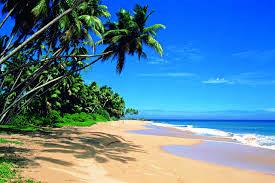
    The beaches of Wadduwa are the main attraction of the popular coastal town. The beautiful beach stretches are popular amongst both locals and tourists alike and are loved for its bright sunny skies, powdery golden shores and gentle turquoise waters.

    Plenty of accommodation options will be available around the beach area due to its popularity as a tourist spot and visitors to the beach will also be offered numerous shopping opportunities – ranging from souvenirs and gift items to a wide range of garments and textiles.

    The Wadduwa beach is ideal for visitors who wish to avoid larger crowds.

  • Thiranagama Sri lanka

    Thiranagama is located a convenient 05 minutes drive from Hikkaduwa towards Galle and a short 15 minutes drive from the new Southern Expressway Baddegama exit.

    Is sits in the rural coastal area just south of Himmaduwa and provides a quiet vacation with the hutsle and bustle of the main town just a few minutes ride away in a TukTuk.

    The beach is long and quiet – great for sunbathing and chilling out.

  • Sri Lanka Beaches

    Negombo

    A fishing town located 35 km from Colombo and 6 km from island’s main International Airport. The beauty of the beach, one of the best west coast shores of Sri Lanka and surrounding star class hotels as well as the close proximity to the airport, gave more attraction of tourists .

    Mount Lavinia

    The place located 12 km from Colombo is a historical city from British colonial period. The Governors House of Sir Thomas Maitland, built in 1805, has become a star class hotel today. The fantastic beach is crowded on holidays with local people who enjoy the beach sports activities such as swimming and surfing.

    Kalutara

    The place located 43 km from Colombo is important spice trading centre from Portuguese, Dutch and British colonial times. The city also named as one of the sacred city of Buddhist people in the country has large hollow dagoba (Buddhist shrine) near the Kalu Ganga

    Beruwala

    The place located 55 km from Colombo is the starting point of 130 km long southern coast also a main fishing centre.

    Bentota

    The place located in south of the country, 62 km from Colombo has romantic scenery hotels and popular for wind surfing and water skiing.

    Pasikudah & Kalkudah

    Kalkuda and Pasikuda are two separate beaches situated nearby in Batticloa district of eastern province nearly 300 km from Colombo. These are famous for its sand and calm water.

    Unawatuna

    Described as most wonderful beach location by the nature, Unawatuna is one of the best Scuba Diving Locations in Sri Lanka. It is famous beach, Scuba Diving, Surfing and Sea Food in Sri Lankan Style. The Jungle Beach, Roomassagla Hills, Kathaluwa Temple, Galle Fort are nearby interesting places. Although it had suffered heavily in the 2004 Indian Ocean Tsunami events that hit Sri Lanka and southeast Asia countries, this seaside community was rebuilt quickly, and touristic activity was resumed, giving the chance to travelers looking for an authentic Sri Lankan beach resort to have a unique time.[4]

    Mirissa

    Mirissa is a small, beautiful and rocky beach which is calm, relaxing and almost private.Whales and dolphins watching, deep sea fishing, river trips, snorkeling and bird watching are activities you could do while you travel in Mirissa, Sri Lanka. Many tourists come to Mirissa for whale watching. you can watch the whales in the Indian Ocean off the Mirissa harbour in the November-April season. A few tour companies arrange trips for a low cost.

    Weligama

    Weligama is a unique Bay and Beach with a wide and long sandy beach located in Matara District of Southern Province close to Matara town. The tiny island once owned by Frenchman Count de Maunay has built a beautiful house on it. The bay is famous for its remarkable fishermen doing stilt fishing and hand made lace, Devil Dance Shows and it’s seafood. Weligama is also a wonderful Scuba Diving and Surfing location.

    Polhena

    Polhena beach is about 2 km inside to the Matara city. This is ideal place for scuba diving, surfing, sunbathing. This is a very famous destinations because of the natural swimming pool created by the coral reef. There is not only one beach; it consists of bunches of beaches along the coastline.

    Dickwella

    Dickwella beach (also called Dikwella or Dikwella South) is about 22 km east of Matara. This long sandy beach is largely protected by headlands, reefs and sand-bars, making it safer for swimming.

    The headlands have reefs along their rocks, close to the beach. At both the Pehambiya end and the western end, swimmers can snorkel out from the beach to watch colourful reef fish amongst the rocks.

    Hikkaduwa

    The place located in south of the country, 100 km from Colombo is the first area to be developed for tourism. The famous coral reef and scuba diving gets tourist’s more pleasure there.

    Koggala

    The place located in south of the country, from 130 km from Colombo, has finest beach and historical Madol Duwa (island surrounded by lake) as mentioned in Sri Lankan literature.

    You can spot the very famous Stilt farmers here; farmers who sit on stilts and fish when there is a suitable tide.

    Tangalle

    Tangalle is located in down south district of Hamabanthota few km away from Mathara. It is a beautiful and natural palm fringed sea bay and a Fishing Harbor offering great sea food. The long and great beach and the corel reef are best attractions. The Dutch Fort built with corals now used as a prison.

    Trincomalee

    Trincomalee is a natural deep-water harbor that attracted great sea farers like Marco Polo, Ptolemy and Sea Traders China and East Asia from the ancient times. The long and wide beaches offer surfing, scuba diving and fishing and whale watching. This sea town has the largest Dutch fortress of Sri Lanka has the oldest Hindu temple Tirukonesvaram Kovil in Sri Lanka.

    Nilaveli

    The place located in east of the country 276 km from Colombo and 14 km from Trincomalee. The natural harbour and beach is one of finest in world. Nelaveli is ideal place for water sports like scuba diving.

    Batticaloa

    Batticaloa is situated in the east coast of Sri Lanka with a great lagoon and beach with a fascinating culture of the east. The Dutch made their first footstep in Sri Lanka here in 1602. The Dutch fort was built in 1665 is visible near the Batticoloa Lagoon.

    Kalkuda and Pasikuda Kalkuda and Pasikuda are two separate beaches situated nearby in Batticlo district of eastern province nearly 228 km from Colombo. These are famous for its sand and calm water.

    Arugam Bay

    The place located in south east of the country 317 km from Colombo is a fine beach near associated with fishing villages. It has been identified as the best surfing beach in Sri Lanka and 4th best in south east Asia. It also comes with the ten best surfing beaches in the world. Wide sandy beaches and lagoons associated with neighbouring Kumana bird sanctuary are added values for visitors going to Arugam bay. Lahugal National Park are Yala East National Park are also located within 10–30 km radious from Arugambay centre. Magul Maha Viharaya (Buddhist temple), Kudumbigala Temple (Buddhist temple), Shastrwela Buddhist Temple, Okanda Hindu Temple are some of places with heritage values. In addition to beaches, wildlife, culture heritage and nature places of interest make Arugambay a unique tourist attraction in Sri Lanka. There is no LTTE threat in and around Arugam bay.[5][6]

    Casuarina Beach

    Casuarina Beach which is in Karainagar, Jaffna District about 20 kilometers from Jaffna of Northern Province. It used to be a popular tourist destination, but tourist numbers have declined due to Sri Lankan Civil War. However after the end of the 3 decade long war, the beaches unspoilt location has led to a growing number of visitors.

    Kilaaly Beach

    Kilali Beach situated in Kilaaly, Jaffna District of Northern Province. It is famous for calm and sand, with local Tamil sea food dishes.

    Vankalai

    Vankalai is a major fishing village in Mannar, of Northern Province.

  • Polhena Sri Lanka

    Polhena Sri Lanka

    Polhena beach is about 2 km inside to the Matara city.

    This is ideal place for scuba diving, surfing, sunbathing.

    This is a very famous destinations because of the natural swimming pool created by the coral reef.

    There is not only one beach; it consists of bunches of beaches along the coastline.

  • Matara Sri Lanka

    Matara (Sinhalese: මාතර, Tamil: மாத்தறை) (originally Mahathota) is a major city in Sri Lanka, on the southern coast of Southern Province, 160 km from Colombo. It is a major commercial hub, and it is the administrative capital of Matara District.[1] It was gravely affected by the Asian tsunami in December 2004.

    Matara historically belongs to the area that was called the Kingdom of Ruhuna, which was one of the three kingdoms in Sri Lanka (Thun Sinhalaya තුන් සිංහලය). Matara was previously called Mahathota.

    The Nilwala River runs through Matara and there was a wide area where ferries used to cross. Hence, the town was called Maha Thota which was derived from the Sanskrit word Maha Theertha, which means “the great ferry”. According to Thotagamuwe Sri Rahula Thera’s Paravi Sndesaya King Weerabamapanam made Matara as his capital and named it “Mapatuna”. The temple in the middle of the town is also built by ancient kings, and now it is a very popular sacred place among the Buddhists in the area.

    In the 16th and 18th centuries, Matara was ruled by the Portuguese and the Dutch respectively.
    In 1672 the Portuguese called the town “Maturai”, which means a great fortress. This may have been a mispronunciation of Thurai, which is the Tamil word for “Ferry”. The present name of “Matara,” however, has been in used for the last three centuries, relating to the town’s connection with the Nilwala River.

    In 1756 the Dutch captured the Maritime Province and divided it into four administrative areas — Sabaragamuwa, Sath Korle, Sathara Korele and Matara. Out of these, Matara District covered the largest area (essentially the whole of the Southern Province up to the Kaluganga River). In the deed given by King Dharmapala to the Dutch, it mentioned that the area of Matara District extended from Kotte to Walawe Ganga River.

    In 1760 the fort was successfully attacked by forces from the Kandyan kingdom. Matara maintained in the hands of the Sinhalese for almost one year. In 1762, the Dutch recaptured Matara Fort, without any significant resistance. Matara was the second most important fort, behind Galle fort, for the southern maritime provinces of the Dutch and a commanding base for some inland forts.

    In 1796 the fort was ceremoniously handed over to the British. The Dutch and English culture and architecture can still be seen throughout the area. The lighthouse in Point Dondra was built by the Dutch, and it is considered one of the most beautiful and oldest lighthouses in Sri Lanka. The two fortresses, the Matara fort and the Star fort, that were built by the Dutch can be found in the city. Other important Colonial works are the St Mary’s Church and the marketplace at Nupe Junction.

    Parey Dewa (Rock in Water) or Parevi Dupatha Temple is a relatively modern Buddhist temple on Pigeon Island (a small offshore island) in front of the city. It is reached by an elegant cable-stayed footbridge, which was erected in 2008 (replacing an earlier bridge, which was washed away in the 2004 Tsunami). The temple is set in attractive gardens and houses numerous statues of Buddha and a replica of the gold footprint found on Adam’s Peak.
    Weragampita Rajamaha Viharaya Temple
    Matara Bodhiya, a Buddhist temple, which is the site of a sacred fig tree.
    Matara fort/ramparts: The Matara fort was built in 1560 by the Portuguese and was substantially re-built by the Dutch in 1640, following the capture of Galle. The fort, which consists of a large stone rampart, occupies the promontory, which separates the Niwala River lagoon and the ocean.
    Dutch Reformed Church, Matara was constructed within Matara fort by the Dutch in 1706. It was extensively remodeled in 1767, following the recapture of the fort in 1762.
    Star Fort is on the western or landward side of the Nawali River. The fort was constructed by the Dutch following the Matara rebellion in 1761, to protect the main fort from attacks originating from the river. Construction of the unique star-shaped fort was completed in 1765.
    Old Nupe Market was constructed in 1784 by the Dutch, about 3.2 kilometres (2.0 mi) from Matara fort.
    St Mary’s Church is on Beach Road. The date on the doorway (1769) refers to the reconstruction following the 1762 Matara Rebellion.

  • Hikkaduwa Sri Lanka

    Hikkaduwa is a small town on the south coast of Sri Lanka located in the Southern Province, about 17 km (11 mi) north-west of Galle and 98 km (61 mi) south of Colombo.

    The name Hikkaduwa is thought to have been derived from the two words Ship Kaduwa, with Ship being the shorter version of Shilpaya which refers to knowledge in Sinhalese and Kaduwa which means sword. It is believed therefore that the name Hikkaduwa means sword of knowledge.

    Hikkaduwa is located on the Coastal or Southern Rail Line (connecting Colombo through to Matara). It is also located on the A2 highway, connecting Colombo to Wellawaya, which runs mostly parallel to the shore, through the town.

    Hikkaduwa’s beach and night life make it a popular tourist destination. It is a well-known international destination for board-surfing. The town was featured in an episode of Anthony Bourdain’s television show No Reservations.
    Hikkaduwa was affected by the tsunami caused by the 2004 Indian Ocean earthquake along with nearby villages Telwatta, Paraliya (Queen of the Sea rail disaster), Dodanduwa, Kahawa and Rathgama. In the aftermath of the tsunami, many of the families who had lost everything were given sewing machines as part of the relief operations. As a result, the town has a multitude of tailors who will custom make shirts, pants, and shorts.

    Hikkaduwa beach – reputed as the second best surfing spot in Sri Lanka.
    Hikkaduwa Coral Sanctuary – located a few hundred metres offshore. The sanctuary has approximately seventy varieties of multi-coloured corals.

  • Dodanduwa Sri Lanka

    Dodanduwa is off the beaten track and provides a restful vacation with great beaches and river adventures.

    Island Hermitage on (Polgasduwa) Dodanduwa Island, Galle District, Sri Lanka is a famous Buddhist forest monastery founded by Ven. Nyanatiloka Mahathera in 1911. It has an excellent English and German library. It is a secluded place for Buddhist monks to study and meditate in the Buddhist tradition.


    Dodanduwa is off the beaten track and provides a restful vacation with great beaches and river adventures.

    Dodanduwa has some awesome beaches and great snorkelling for all levels of adventure. Great beaches and wonderful adventures await travellers and tourists.

    dodanduwa sri lanka

    Island Hermitage on (Polgasduwa) Dodanduwa Island, Galle District, Sri Lanka is a famous Buddhist forest monastery founded by Ven. Nyanatiloka Mahathera in 1911. It has an excellent English and German library. It is a secluded place for Buddhist monks to study and meditate in the Buddhist tradition.

    The Island Hermitage was the first centre of Theravāda Buddhist study and practice set up by and for Westerners. Its many prominent residents, monks and laymen, studied Theravada Buddhism and the Pali language, made translations of Pali scriptures, wrote books on Theravada Buddhism and practiced meditation. The Island Hermitage once formed an essential link with Theravāda Buddhism in the West.

    In 1951 Nyanatiloka moved to the Forest Hermitage in Kandy, then joined by Nyanaponika. Since 2003 the hermitage is run by a group of young Sri Lankan monks.

    Watersports Instructors

    The Sri Lankan Watersports guys will look after you and show you the joys of diving and wakeboarding.

    1470923817154745253021

  • Aluthgama Sri Lanka

    Aluthgama is a coastal town on the northern bank of the Bentota River. It is in the Kalutara District in the Western Province of Sri Lanka. It is  63 kilometres (40 mi) south of Colombo and 68 kilometres (42 mi) north of Galle.


    Boat trip on Bentota River – Sri Lanka

    The Bentota River has perfect weather every month of the year for watersports and river safaris. Feel the rush of air in your face as you speed along in a jetski or speed boat. Experience the thrill of being towed in an inflatable sofa or donut. Make your instagram and youtube videos as you explore the mangroves by boat, capturing on film the exotic wildlife – baby crocodiles, snakes and parrots – all from the safety of a boat with an experienced boat captain giving an informative and educational tour.


    Kande Viharaya Buddhist Temple

     Sri Lanka’s tallest Buddha Statue. The Buddha Statue which is 160½ ft tall is constructed in Bhoomi Sparsha Mudra (Calling the Earth to Witness His Enlightenment).


    Brief-Gardens

    Brief Gardens is the beautifully preserved house and gardens of the famous landscape architect Bevis Bawa. The house and gardens were developed since 1929. Located on a hillside with excellent views and many sculptures – both by Bevis himself and other artists. The estate was formerly a rubber plantation


    Weekly Fair in Aluthgama

    Mondays there is a fair in Aluthgama (Mathugama Road). Large vegetable market and lots of street vendors. 


    Beruwala Fishing Harbour

    visit around 6am and watch the fishing boats being unloaded


    Tours whilst based in Aluthgama

    Day trips could be:

    Down the coast to Galle with possibility to visit
    – Kosgoda Sea Turtle Conservation Project
    – Boat Trip on Madu Ganga, Balapitiya
    – Ariyapala Mask Museum, Ambalangoda
    – Batik Factory,Ambalangoda
    – Moonstone Mine, Meetiyagoda. This is one of the very few places in the world where blue gleaming moonstones are found. A number of stores and stalls sell jewellery made with these semi-precious stones.
    – Hikkaduwa. Glass bottom Boat ride on the coral reef and maybe a swim inside the reef. Good place for lunch break (several good restaurants – Refresh is recommended)
    – Galle. UNESCO declared World Heritage Site the magnificent Dutch fort is the most popular attraction of the town. 300 year old Dutch atmosphere is still very much alive around the fort and amidst its many historical buildings. Good possibilities for shopping in Galle.

    Sinharaja Forest
    – Sinharaja forest reserve is one of the least disturbed and biologically unique lowland rain forest in Sri Lanka. This forest covers an extent of about 11187 hectares from east to west .The length of the forest is about 21km and width from North to South is about 3.7km. It was declared a Man and Biosphere Reserve (MAB) in 1978,as representative of tropical humid evergreen forest Eco system in Sri Lanka and has been recognized by UNESCO as part of it’s International Network of Biosphere reserves. It was declared a National wilderness area in 1988 and lately a world heritage site in 1989.


    2-5 day trips could include:

    Elephant Orphanage, Pinnewala
    Kandy. Tooth Temple, Kandy Dance
    Dambulla. Rock Caves Temple
    Sigiriya
    Hill Country (N’Eliya, Haputale, Ella

  • Ambalangoda Sri Lanka

    Ambalangoda is a coastal town located in Galle District, Southern Province of Sri Lanka. Governed by Ambalangoda Urban Council, the town is famous for its ancient devil masks and devil dancers. It is approximately 107 kilometres (66 mi) south of Colombo and is situated at an elevation of 13 metres (43 ft) above the sea level.

    Ambalangoda is located on the South-West Cost of Sri Lanka between Bentota and Hikkaduwa. Still a “hidden treasure” when it comes to main stream tourism this town offers a lot when especially for families and those who want to experience the “real” Sri Lanka.

    Ambalangoda is served by Sri Lanka Railways’ Coastal Line. Ambalangoda Railway Station is a major station on the line, and is connected to the major cities Colombo and Galle by rail. It is served by the A2 highway, which runs through the town. Kurundugahahetekma entrance of the E01 expressway is 13 kilometres (8.1 mi) from Ambalangoda and it takes about 45 minutes to travel via the Southern Expressway from Ambalangoda to Kottawa, a suburb of Colombo.

    The town is renowned for the manufacture of wooden masks and puppets. The traditional masks are carved from light Balsa like Kaduru wood (Nux vomica). Kaduru trees grow in the marshy lands bordering paddy fields. The wood is smoke dried for a week in preparation. The hand carved and hand painted masks in traditional dance dramas are both vibrant and colorful. Masks are created for three different types of dancing rituals: ‘Kolam’, which tell mocking stories of traditional Sri Lankan colonial life; ‘Sanni’, or devil dancing masks, used in a type of exorcism ceremony to heal people of persisting illnesses believed to be inflicted by demons; and ‘Raksha’ masks, which are used in festivals and processions. The Naga Raksha (Cobra demon) mask of the ‘Raksha Kolama’ (demon dance), consists of a ferocious face with bulging, popping & staring eyes, a bloodthirsty carnivorous tongue lolling out of wide mouth armoured and armed to the hilt with set of fanglike teeth, all topped by a set of cobra hoods.

    Ambalangoda offers many ECO and adventure experiences ranging from turtle hatcheries to guided nature tours and scenic lake safaris.
    There are some very experienced operators blending natural show trails with environmental friendly concepts and by preserving natural skills.